
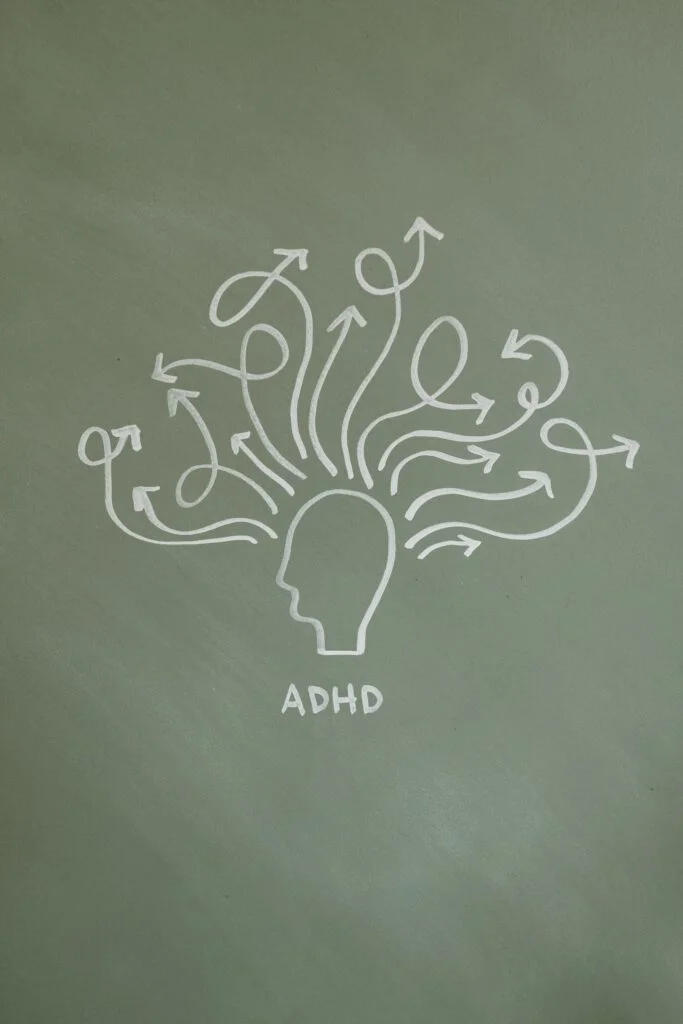
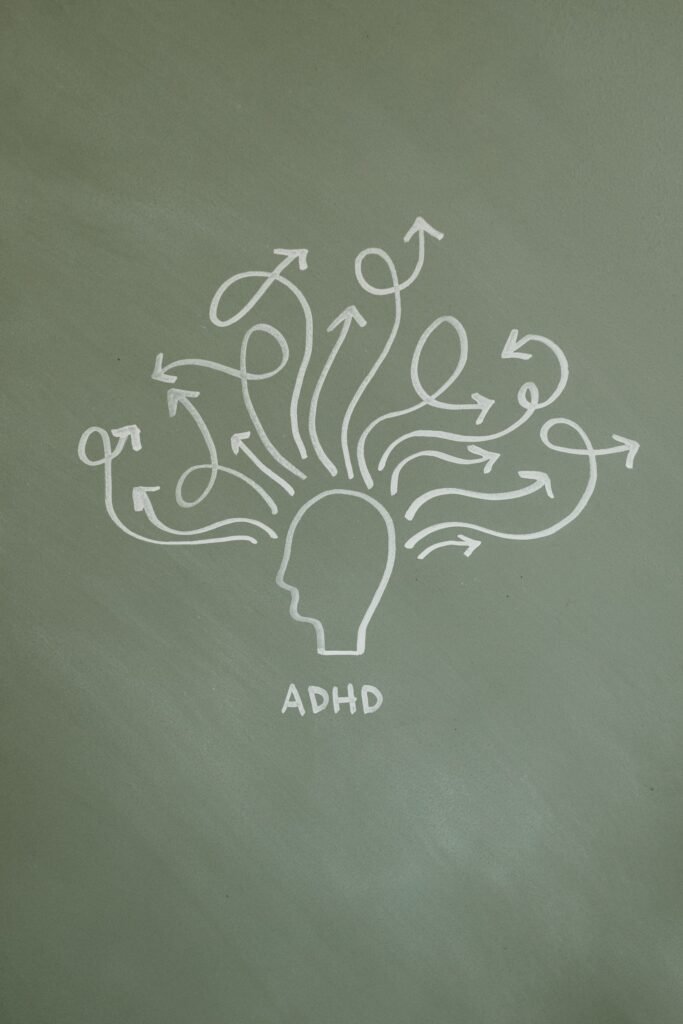

Difficulty concentrating, chronic procrastination, missed deadlines, and feeling overwhelmed by everyday responsibilities can be frustrating, especially when these patterns persist despite genuine effort. For some adults, these challenges may be signs of attention-deficit/hyperactivity disorder (ADHD). For others, they may reflect anxiety, depression, sleep difficulties, or another underlying concern.
When I look at attention and executive functioning concerns, I believe it is important to understand the full picture rather than assume that difficulty focusing automatically means ADHD. A thoughtful evaluation can help clarify what is contributing to symptoms and guide an individualized treatment plan.
What Are the Common Symptoms of Adult ADHD?
ADHD is a neurodevelopmental condition involving persistent patterns of inattention and/or hyperactivity and impulsivity. Although symptoms begin during childhood, they may go unrecognized until adulthood, when work, relationships, and daily responsibilities become more demanding.
1. Inattention and executive functioning difficulties
Adults with inattentive symptoms may struggle to:
- Maintain focus during conversations, meetings, or lengthy tasks
- Organize responsibilities and prioritize competing demands
- Follow through on projects or finish tasks on time
- Remember appointments, instructions, or everyday obligations
- Keep track of keys, phones, documents, and other important items
- Manage time realistically or estimate how long a task will take
These difficulties can affect more than productivity. Repeatedly missing deadlines or forgetting commitments may create tension at work and in relationships.
2. Hyperactivity and restlessness
Hyperactivity can look different in adults than it does in children. Instead of obvious physical activity, it may appear as internal restlessness, difficulty relaxing, frequent fidgeting, excessive talking, or feeling as though you always need to be doing something.
3. Impulsivity
Impulsivity may involve interrupting others, answering before a question is finished, making quick decisions without considering consequences, or finding it difficult to wait. Some adults also describe frustration or emotional reactions that feel difficult to manage, although emotional dysregulation alone does not establish an ADHD diagnosis.
ADHD can present predominantly with inattentive symptoms, predominantly with hyperactive-impulsive symptoms, or with a combination of both.
Can You Have ADHD Without Being Hyperactive?
Yes. Some adults primarily experience difficulties with attention, organization, forgetfulness, and task completion. Because these challenges may be less visible than hyperactivity, they can be overlooked, particularly when someone performs well academically or develops ways to compensate.
For example, a person might meet deadlines only by working late, rely heavily on reminders, or spend hours organizing a task before starting it. These strategies may help, but the amount of effort required can become exhausting.
Still, procrastination, distractibility, or disorganization on their own do not prove that someone has ADHD. The pattern, duration, developmental history, and effect on daily functioning all matter.
How Is ADHD Diagnosed in Adults?
An adult ADHD diagnosis requires more than an online quiz or a symptom checklist. I consider the person’s history, current difficulties, functioning across different settings, and possible alternative explanations.
A comprehensive assessment generally examines several areas.
- Childhood history: ADHD symptoms must have been present before age 12, even if nobody recognized them at the time. School experiences, earlier behavior patterns, and available childhood records can provide useful context.
- Symptoms over time: Symptoms generally need to persist for at least six months and be inconsistent with the person’s developmental level.
- Impact on daily life: Symptoms must interfere with functioning in at least two settings, such as work, home, education, or relationships. Occasional distraction is not enough to establish the diagnosis.
- Clinical interview and rating scales: Standardized questionnaires can help organize symptom information, but they are interpreted alongside a clinical interview and other relevant evidence.
- Medical and mental health history: Sleep, medications, physical health, substance use, mood symptoms, and other factors may influence concentration and executive functioning.
There is no single blood test, brain scan, or questionnaire that independently confirms ADHD. Additional psychological or medical testing may be appropriate when clinically indicated, but it is not required in every evaluation.
ADHD or Something Else? Conditions That Can Look Similar
One important part of an adult ADHD evaluation is distinguishing ADHD from other causes of attention and memory difficulties. Some conditions can resemble ADHD, while others can occur alongside it.
- Anxiety: Persistent worry can make it difficult to concentrate because attention is repeatedly pulled toward anxious thoughts.
- Depression: Low mood, reduced energy, and changes in sleep can affect memory, motivation, and decision-making.
- Sleep problems: Insufficient sleep, insomnia, and sleep apnea can interfere with attention and daytime functioning.
- Trauma-related symptoms: Hypervigilance, intrusive thoughts, and disrupted sleep may affect concentration.
- Bipolar disorder: Mood episodes can involve changes in energy, activity, sleep, and judgment that require careful assessment.
- Medical factors: Certain medications, thyroid problems, and nutritional deficiencies may contribute to symptoms in some individuals.
These possibilities are not mutually exclusive. Someone can have ADHD and anxiety, for example, so identifying one concern does not automatically rule out another. The aim is to understand which factors are present and how they affect the person.
What Does Effective Adult ADHD Treatment Look Like?
ADHD treatment should reflect the person’s symptoms, goals, health history, and preferences. For many adults, evidence-based care includes medication, behavioral strategies, psychotherapy, or a combination of approaches.
Medication management
Stimulant medications are commonly used to treat ADHD, and nonstimulant options are also available. The appropriate choice depends on individual circumstances, potential benefits, side effects, other health conditions, and possible medication interactions.
Medication decisions should be made with a qualified prescriber, with follow-up to assess effectiveness and tolerability.
Behavioral and executive functioning support
Practical strategies can help turn intentions into manageable actions. Depending on the person’s needs, these may include breaking projects into smaller steps, using external reminders, creating consistent routines, reducing distractions, and setting realistic time limits.
Psychotherapy, including cognitive behavioral therapy adapted for ADHD, may help some adults address organizational challenges, unhelpful thought patterns, and the emotional effects of persistent difficulties.
How an Integrative Approach Fits Into ADHD Care
At SKS Psychiatry, I consider the broader context of a person’s mental and physical health when developing an individualized care plan. Sleep quality, nutrition, stress, activity patterns, and relevant medical concerns can influence overall well-being and may affect how someone experiences attention difficulties.
These factors are worth exploring when appropriate, but they do not replace a proper ADHD assessment. There is also insufficient evidence to treat supplements, restrictive diets, or attempts to reduce inflammation as stand-alone ADHD treatments. Testing for nutritional deficiencies or other medical concerns should be guided by symptoms and clinical history.
My goal is to consider these broader factors alongside established ADHD treatments, rather than assume that one lifestyle change or a single underlying cause explains every person’s experience.
Adult ADHD Evaluation and Treatment in Oregon and Washington
If difficulties with focus, follow-through, or organization are affecting your work, relationships, or everyday life, you do not have to determine the cause on your own. A professional evaluation can help clarify whether ADHD fits your history and whether other factors deserve attention.
If difficulty staying focused, managing responsibilities, or following through on tasks has been affecting your everyday life, I can help you explore whether ADHD may be part of the picture. Discuss your attention and executive functioning concerns with SKS Psychiatry and take a closer look at the factors that may be influencing your symptoms.
Frequently Asked Questions
Can ADHD develop for the first time in adulthood?
ADHD symptoms must begin during childhood, before age 12, although the condition may not be recognized until adulthood. New concentration difficulties should be evaluated for other possible causes.
Can anxiety be mistaken for ADHD?
Yes. Anxiety can interfere with concentration, memory, and task completion. Because anxiety and ADHD can also coexist, a thorough assessment considers symptom history and the broader clinical picture.
Is an online ADHD test enough for a diagnosis?
No. An online screening tool may help you identify concerns to discuss with a clinician, but it cannot independently establish an ADHD diagnosis.
Do all adults with ADHD need medication?
No. Treatment is individualized. Medication is an established option, while behavioral strategies and psychotherapy may also help. A qualified clinician can discuss appropriate options based on your needs and preferences.
Can lifestyle changes treat ADHD?
Consistent sleep, regular physical activity, supportive routines, and balanced nutrition can contribute to general well-being. However, lifestyle changes should not be presented as a guaranteed cure or a substitute for appropriate ADHD care.
Source: National Institute of Mental Health (NIMH), Attention-Deficit/Hyperactivity Disorder: What You Need to Know.
Medically reviewed by
Stephanie Schabel, PMHNP-BC
Board-Certified Psychiatric Mental Health Nurse Practitioner
Stephanie began her career as a registered nurse, caring for surgical and cardiac patients at a leading hospital in Houston, Texas, and later worked as a travel nurse across Oregon during the COVID-19 pandemic. She completed her Psychiatric Nurse Practitioner education at Gonzaga University and is currently completing a fellowship with Psychiatry Redefined in functional and integrative psychiatry. At SKS Psychiatry, she combines evidence-based medication management with attention to sleep, nutrition, stress, and overall health, caring for adults by secure telehealth across Oregon and Washington.
Disclaimer: This article is for educational purposes only and does not constitute medical advice, diagnosis, or treatment. Consult a qualified healthcare professional about your individual circumstances.