

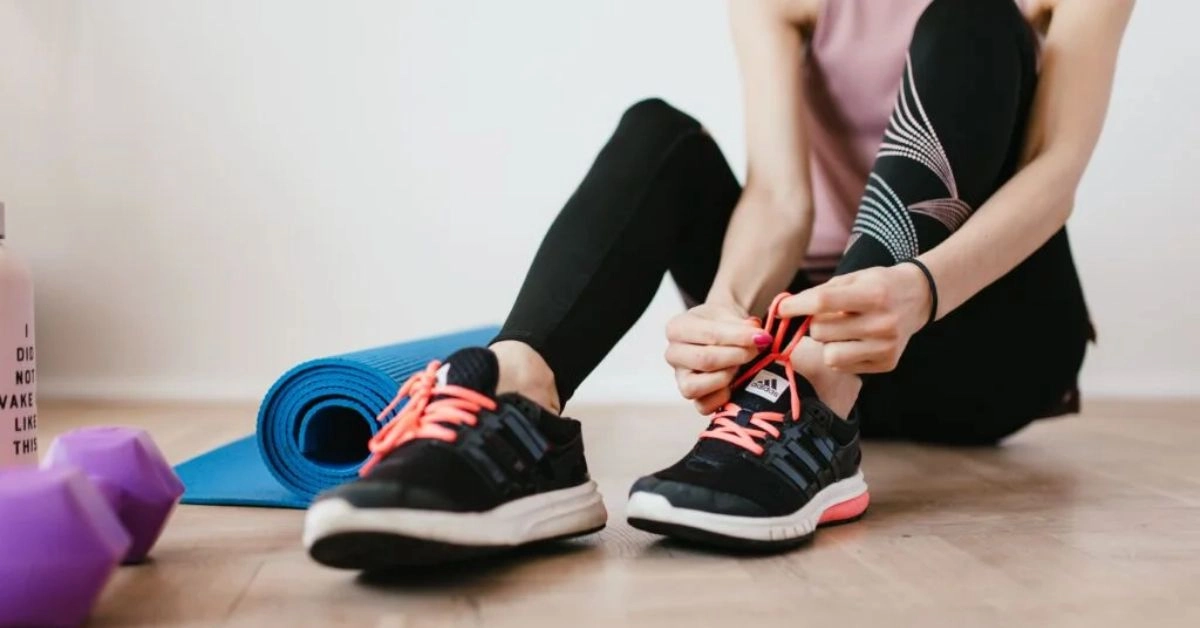
Anxiety can affect more than your thoughts. It may show up as a racing heart, muscle tension, restlessness, difficulty sleeping, or a persistent feeling that something is wrong. When these symptoms become difficult to manage, many people look for practical ways to feel better alongside professional mental health care.
Exercise is one option worth considering. Research suggests that regular physical activity can help reduce anxiety symptoms, although the amount of benefit varies between individuals and studies.
But does exercise treat an anxiety disorder, or does it simply help you feel less stressed? Which types of exercise may be useful, and how much do you need to do?
Understanding what the evidence actually shows can help you decide whether exercise belongs in your approach to managing anxiety.
Can Exercise Really Reduce Anxiety?
Yes, exercise can help reduce anxiety symptoms, but it is not a guaranteed treatment or a substitute for appropriate mental health care.
A 2026 umbrella review published in the British Journal of Sports Medicine examined 81 meta-analyses covering 79,551 participants. The researchers found that exercise interventions were associated with reduced anxiety symptoms, with an overall small-to-moderate effect. Aerobic exercise showed encouraging results, although benefits varied across exercise types and populations.
An earlier systematic review published in BMC Health Services Research in 2018 examined 15 randomized controlled trials involving 675 participants. The participants either had diagnosed anxiety disorders or elevated anxiety measured using validated assessment tools.
The review found that aerobic exercise reduced anxiety symptoms compared with waiting-list controls. The researchers also observed greater improvements in the high-intensity exercise groups than in the low-intensity groups included in that review.
However, the findings came from a relatively small number of studies with differences in how exercise was delivered. More recent evidence also suggests that lower-intensity activity can be beneficial, so vigorous workouts should not be considered necessary for everyone.
Together, these findings support exercise as a potentially useful part of anxiety management, while leaving important questions about the best exercise type, intensity, and duration for each person.
Sources: Aylett et al., 2018; 2026 umbrella review.
How Does Exercise Help With Anxiety?
Exercise affects several aspects of physical and psychological well-being that may influence anxiety. Researchers continue to investigate the mechanisms involved, and no single explanation accounts for every person’s response.
1. It May Help Regulate Stress
Physical activity can influence the body’s stress-response systems and may help some people feel less tense after activity.
A walk, a bike ride, or a moderate workout can provide a structured break from ongoing worries. Over time, regular movement may become one part of a broader routine for managing everyday stress.
2. It Can Support Better Sleep
Anxiety and sleep difficulties often occur together. Worry can make it difficult to fall asleep, while insufficient or disrupted sleep can make emotional regulation more challenging.
Regular physical activity may support sleep quality for some people. Better sleep, in turn, can make daily stressors easier to manage. Exercise is not a guaranteed solution for persistent insomnia, which may require its own assessment and treatment.
3. It May Improve Mood and Emotional Well-Being
Exercise can provide a sense of accomplishment, introduce structure into the day, and create opportunities for enjoyable activities.
Activities such as walking outdoors, dancing, swimming, or exercising with other people may also offer social connection or a change of environment. These benefits can matter when anxiety makes daily life feel restricted.
4. It Can Help People Become More Comfortable With Physical Sensations
Anxiety can involve physical sensations such as a faster heartbeat, increased breathing, and sweating. Exercise naturally produces some of these sensations.
For certain people, becoming familiar with the normal physical effects of exercise may make those sensations feel less unfamiliar over time. However, exercise is not a substitute for clinician-guided exposure therapy when someone experiences panic attacks or significant fear of bodily sensations.
If physical symptoms are new, severe, or unexplained, they should not automatically be attributed to anxiety.
What Are the Best Exercises for Anxiety?
There is no single exercise that works best for everyone. The most useful choice is often an activity that fits your physical abilities, preferences, schedule, and current level of anxiety.
Walking
Walking is a practical starting point for people who are new to exercise or do not feel comfortable with demanding workouts.
A short walk around the neighborhood, in a park, or during a work break can introduce regular movement without requiring specialist equipment or a gym membership.
If a long walk feels overwhelming, start with a shorter period and build gradually.
Running, Cycling, or Swimming
These are forms of aerobic exercise that increase heart rate and breathing.
Research has found benefits from aerobic exercise programs, including activities such as running and walking. Cycling and swimming may also be suitable options, depending on individual preferences and physical health.
You do not need to push yourself to exhaustion. Choose an intensity that is appropriate for your fitness level and any relevant medical considerations.
Strength Training
Resistance exercises, including bodyweight movements and weight training, can support physical health and may help reduce anxiety symptoms.
A routine might include exercises such as squats, resistance-band movements, or supervised weight training. Beginners can start with light resistance and focus on proper technique.
Emerging research supports the potential value of resistance training, but evidence does not establish one universally superior program for anxiety.
Yoga and Mind-Body Exercise
Yoga combines movement with breathing and attention to bodily sensations. Some people find it helpful for relaxation, tension management, and emotional awareness.
Other mind-body activities may offer similar opportunities to slow down and reconnect with the present moment.
These practices can complement anxiety care, but their effects vary. People who find breath-focused exercises uncomfortable should feel free to choose another activity.
How Much Exercise Do You Need to Help With Anxiety?
There is no universally established exercise prescription specifically for every anxiety disorder.
For general health, the World Health Organization recommends that adults aim for 150–300 minutes of moderate-intensity aerobic activity per week, or 75–150 minutes of vigorous-intensity activity, or an equivalent combination. These are general physical activity recommendations, not a guarantee of anxiety relief.
If you are currently inactive, you do not need to begin with those targets.
A practical starting approach may be:
Begin with a short, manageable session, such as a 10-minute walk.
Choose an activity you can realistically repeat during the week.
Increase duration or intensity gradually as your comfort and fitness improve.
Pay attention to changes in mood, sleep, tension, and anxiety over time.
Adjust your routine if exercise causes excessive distress, pain, or other concerning symptoms.
Consistency is more useful than choosing an ambitious routine that becomes difficult to maintain.
Some people notice changes in how they feel after individual sessions. Others may need several weeks of regular activity before they notice a difference. Neither response establishes whether someone has an anxiety disorder or whether a particular treatment is working.
Can Exercise Replace Medication or Therapy for Anxiety?
No. Exercise can support anxiety management, but it should not automatically replace medication, psychotherapy, or other recommended treatment.
The appropriate approach depends on the nature and severity of symptoms, their effect on daily functioning, personal preferences, and medical history.
Evidence-based psychological treatments, including cognitive behavioral therapy (CBT), are established options for anxiety disorders. Medication may also be appropriate for some people.
Exercise can be included alongside these approaches to support general health and potentially reduce symptoms. For some individuals with milder symptoms, lifestyle changes may be an important part of their initial management plan. Others may need more structured treatment.
If you already take psychiatric medication, do not stop or change your dose because you have started exercising. Discuss treatment changes with your prescribing clinician.
It is also worth remembering that exercise can sometimes feel uncomfortable when anxiety is high. A demanding routine is not necessary, and pushing through significant distress is not a requirement for making progress.
When Should You Seek Professional Help for Anxiety?
Lifestyle changes can be helpful, but persistent anxiety deserves attention when it begins to interfere with everyday life.
Consider seeking professional support if you experience:
Frequent or difficult-to-control worry.
Repeated panic attacks or fear of having another attack.
Avoidance of work, social activities, or situations you previously managed.
Ongoing sleep difficulties related to anxiety.
Trouble concentrating or completing everyday responsibilities.
Symptoms that persist despite efforts to manage them independently.
A mental health professional can help assess what may be contributing to your symptoms and discuss treatment options that fit your needs.
At SKS Psychiatry, psychiatric evaluation can help adults explore anxiety symptoms, related concerns, and individualized treatment options through a whole-person approach that considers both mental and physical well-being.
Frequently Asked Questions
Does exercise help with anxiety immediately?
Some people feel calmer or experience improved mood after a single session. Others notice benefits only after establishing a regular routine. Immediate relief is not guaranteed, and exercise does not replace treatment for persistent or severe anxiety.
Is walking enough to reduce anxiety?
Walking may be a useful starting point. Research has found that aerobic exercise can reduce anxiety symptoms, and walking is one accessible way to increase physical activity. The appropriate duration and intensity depend on your abilities, preferences, and health.
Is high-intensity exercise better for anxiety?
Not necessarily. A 2018 review found greater benefits from high-intensity than low-intensity programs in the studies it examined. However, later evidence supports benefits across different forms and intensities of exercise. There is not enough evidence to conclude that vigorous exercise is the best option for every person with anxiety.
Can exercise make anxiety worse?
Exercise naturally increases heart rate, breathing, and sweating. These sensations may feel uncomfortable or frightening to some people, particularly those who experience panic symptoms. Starting gradually and choosing a comfortable activity may help. If symptoms are severe or unusual, seek appropriate medical advice rather than assuming they are anxiety-related.
What if I do not have the motivation to exercise when I feel anxious?
Start with an achievable goal rather than a demanding workout. A short walk, gentle stretching, or a few minutes of movement may feel more manageable. If low motivation, fatigue, or anxiety consistently prevents daily activities, discuss these difficulties with a healthcare professional.
A More Complete Approach to Anxiety Management
Exercise is a promising, accessible way to support mental well-being, and research suggests it can help reduce anxiety symptoms. However, the evidence does not support treating it as a universal cure or assuming that everyone needs the same type or intensity of activity.
The goal is to find a sustainable routine that fits your life while recognizing when additional support may be needed.
If anxiety is affecting your sleep, relationships, work, or ability to manage everyday responsibilities, a psychiatric evaluation can help clarify your symptoms and identify appropriate next steps.
Schedule a psychiatric evaluation with SKS Psychiatry to discuss your concerns and explore individualized options for mental health care.
Medically reviewed by
Stephanie Schabel, PMHNP-BC
Board-Certified Psychiatric Mental Health Nurse Practitioner
Stephanie began her career as a registered nurse, caring for surgical and cardiac patients at a leading hospital in Houston, Texas, and later worked as a travel nurse across Oregon during the COVID-19 pandemic. She completed her Psychiatric Nurse Practitioner education at Gonzaga University and is currently completing a fellowship with Psychiatry Redefined in functional and integrative psychiatry. At SKS Psychiatry, she combines evidence-based medication management with attention to sleep, nutrition, stress, and overall health, caring for adults by secure telehealth across Oregon and Washington.
Medical Disclaimer
This article is for educational purposes only and does not constitute medical advice, diagnosis, or treatment. Exercise recommendations should be adapted to individual health needs and physical abilities. Consult a qualified healthcare professional about persistent anxiety symptoms, new or concerning physical symptoms, or changes to your treatment plan.