
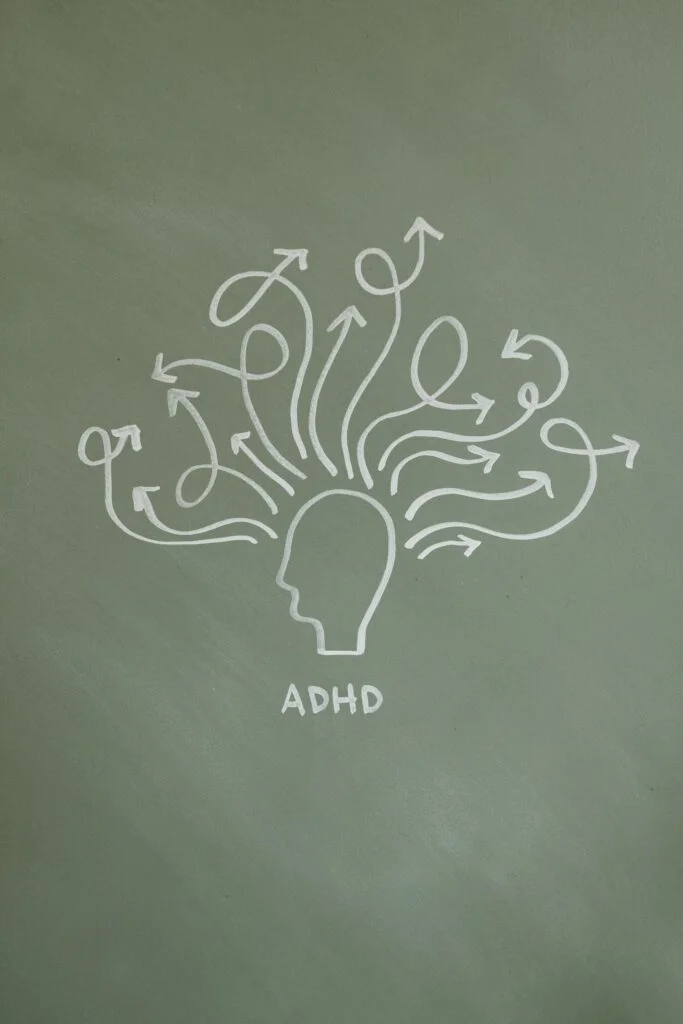
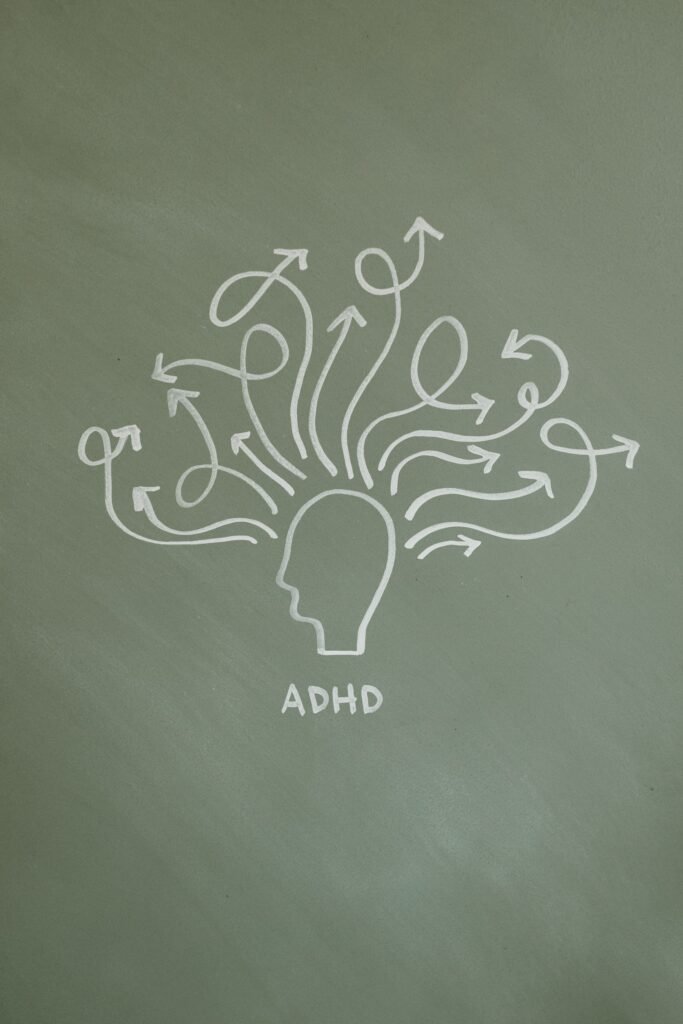
Attention-Deficit/Hyperactivity Disorder (ADHD) is one of the most common neurodevelopmental conditions affecting both children and adults. While many people associate ADHD with hyperactivity, it can also affect attention, organization, emotional regulation, motivation, and daily functioning.
Common Symptoms of ADHD
ADHD symptoms generally fall into three categories:
Inattention
- Difficulty sustaining focus
- Frequent forgetfulness
- Losing important items
- Trouble following through on tasks
- Becoming easily distracted
Hyperactivity
- Feeling restless or “on the go”
- Difficulty sitting still
- Excessive talking
- Fidgeting or tapping
Impulsivity
- Interrupting conversations
- Making decisions without considering consequences
- Difficulty waiting turns
- Emotional reactivity
Many adults with ADHD describe chronic overwhelm, procrastination, time management challenges, difficulty prioritizing tasks, and struggles balancing work, relationships, and personal responsibilities.
Conditions That Can Mimic ADHD
One of the most important aspects of an ADHD evaluation is recognizing that ADHD symptoms are not always caused by ADHD itself. Several mental health and medical conditions can present with similar difficulties in concentration, memory, motivation, and executive functioning.
Conditions that may resemble ADHD include:
- Anxiety disorders
- Depression
- Trauma and PTSD
- Bipolar disorder
- Sleep disorders, including sleep apnea
- Chronic stress and burnout
- Thyroid dysfunction
- Nutritional deficiencies, such as iron, vitamin D, or vitamin B12 deficiency
- Hormonal imbalances
- Substance use disorders
For example, an individual experiencing chronic anxiety may appear inattentive because their mind is constantly occupied by worry. Likewise, depression can reduce motivation, concentration, and memory, leading some people to wonder whether they have ADHD.
A thorough assessment helps identify whether ADHD is the primary diagnosis, whether another condition is contributing to symptoms, or whether multiple conditions are present simultaneously.
How ADHD Is Diagnosed
A proper ADHD diagnosis involves much more than completing a simple questionnaire. A comprehensive assessment includes a detailed clinical interview, review of symptom history, functional impairments, medical history, and evaluation of alternative explanations for symptoms. The goal is to understand the whole person rather than focusing solely on attention difficulties.
A Functional and Integrative Approach to ADHD
While medication can be highly effective for many individuals, a comprehensive treatment plan often extends beyond medication alone.
At SKS Psychiatry, we take a functional and integrative approach by evaluating factors that may influence cognitive performance, including:
- Sleep quality
- Nutrition and dietary patterns
- Stress and burnout
- Inflammation
- Micronutrient status
- Hormonal and metabolic health
- Lifestyle habits
ADHD Treatment Options for Adults
Treatment may include:
- Evidence-based medication management
- Behavioral strategies and executive functioning support
- Lifestyle optimization
- Nutritional counseling
- Stress management techniques
- Collaboration with therapists, coaches, and primary care providers
Adult ADHD Evaluation and Treatment in Portland and Seattle area and more
If you are struggling with focus, organization, procrastination, or attention difficulties, a professional ADHD evaluation can help determine whether ADHD or another condition may be contributing to your symptoms. SKS Psychiatry provides adult ADHD assessment and treatment through telehealth for patients in Oregon and Washington.
Ready to take the next step? We’re here to help. Schedule your appointment here
Sources:
https://www.nimh.nih.gov/health/publications/adhd-what-you-need-to-know
About the Author
Stephanie Schabel, PMHNP-BC, is a board-certified Psychiatric Mental Health Nurse Practitioner at SKS Psychiatry specializing in functional and integrative psychiatry. She holds nursing degrees from the Texas State University and Gonzaga University, and is a member of Psychiatry Redefined, one of the nation’s leading training programs in functional and integrative psychiatry. Stephanie’s approach combines evidence-based psychiatric care with root-cause, whole-person treatment for depression, anxiety, ADHD, and related conditions.